Master Digital Fundraising for Today's Charitable Giving

Charitable giving has changed dramatically in recent years. More donors now expect to give online, and nonprofits must meet them where they are. Digital fundraising offers powerful tools to connect with supporters, raise funds efficiently, and build lasting relationships. Yet many organizations struggle to use these tools effectively. This post explains how to master digital fundraising and make the most of today’s opportunities.
Why Digital Fundraising Matters
Traditional fundraising methods like mail campaigns and in-person events still play a role, but digital channels have become essential. Online giving grew by 12.1% in 2023, according to the Giving USA report, showing clear donor preference for digital options. Donors want convenience, transparency, and engagement. Digital fundraising meets these needs by:
Allowing donors to give anytime, anywhere
Providing instant receipts and updates
Enabling storytelling through videos and social media
Reaching wider audiences beyond local communities
Nonprofits that embrace digital fundraising can increase donations, reduce costs, and build stronger donor loyalty.
Building a Strong Digital Fundraising Strategy
A clear strategy guides your efforts and maximizes impact. Here are key steps to develop one:
Define Your Goals
Set specific, measurable goals such as:
Increase online donations by 20% in six months
Grow email subscriber list by 1,000 contacts
Boost recurring gifts by 15%
Clear goals help focus your campaigns and track success.
Know Your Audience
Understand who your donors are and what motivates them. Use data from past campaigns, surveys, and website analytics to create donor profiles. Consider:
Age, location, and income level
Causes they care about
Preferred communication channels
Tailoring messages to your audience increases engagement.
Choose the Right Platforms
Select digital tools that fit your goals and audience. Common platforms include:
Donation pages on your website
Email marketing services like Mailchimp or Constant Contact
Crowdfunding sites such as GoFundMe or Classy
Social media channels like Facebook and Instagram
Integrate these platforms for a seamless donor experience.
Craft Compelling Content
Storytelling drives donations. Share stories that show the impact of gifts, such as:
Profiles of individuals helped by your programs
Before-and-after photos or videos
Testimonials from beneficiaries or volunteers
Use clear calls to action that tell donors exactly how to give.
Effective Digital Fundraising Tactics
Once your strategy is in place, use these tactics to engage donors and boost giving.
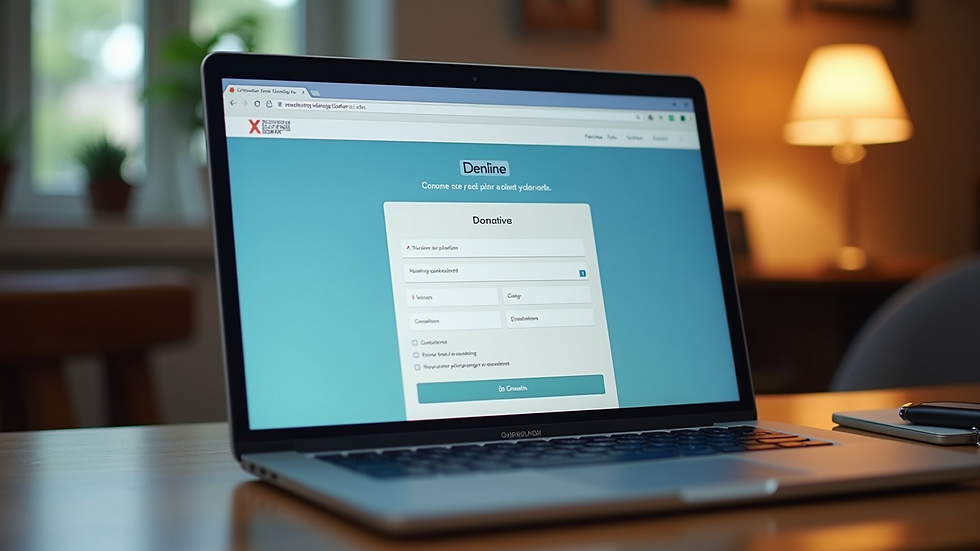
Optimize Your Donation Page
Your donation page is critical. Make it:
Easy to find from your homepage and emails
Mobile-friendly for giving on phones and tablets
Simple with minimal form fields
Secure with trusted payment options
Add suggested gift amounts and options for recurring donations to increase average gift size.
Use Email Campaigns Wisely
Email remains one of the most effective fundraising channels. To improve results:
Segment your list by donor type or interest
Personalize subject lines and greetings
Share stories and updates, not just asks
Include clear donation buttons and links
Test different send times and messages to find what works best.
Leverage Social Media for Engagement
Social media helps spread your message and attract new donors. Try:
Posting impact stories with photos or videos
Hosting live Q&A sessions or virtual events
Using hashtags to join relevant conversations
Encouraging supporters to share their own stories
Paid social ads can also target specific audiences to boost donations.
Launch Crowdfunding Campaigns
Crowdfunding taps into networks of supporters for specific projects. To succeed:
Set a clear, achievable fundraising goal
Explain how funds will be used
Provide regular updates on progress
Thank donors publicly to build momentum
Platforms like Kickstarter and GoFundMe make it easy to get started.
Measuring Success and Improving
Track key metrics to understand what works and where to improve:
Donation amounts and frequency
Email open and click rates
Website traffic and conversion rates
Social media engagement
Use tools like Google Analytics and your fundraising platform’s reports. Adjust your strategy based on data to increase effectiveness over time.
Building Donor Relationships Online
Digital fundraising is not just about one-time gifts. It’s about building lasting relationships.
Communicate Regularly
Keep donors informed with newsletters, impact reports, and thank-you messages. Show how their support makes a difference.
Offer Multiple Ways to Give
Some donors prefer monthly gifts, others want to sponsor specific projects. Provide options to meet different preferences.
Create Community
Use online groups, forums, or social media pages to connect supporters. Encourage interaction and sharing.
Recognize Donors
Highlight donors in newsletters or on your website (with permission). Recognition motivates continued support.
Overcoming Common Challenges
Digital fundraising has hurdles, but they can be managed.
Technical issues: Choose reliable platforms and test donation processes regularly.
Donor fatigue: Space out asks and focus on engagement, not just fundraising.
Privacy concerns: Be transparent about data use and protect donor information.
Limited resources: Start small, focus on high-impact tactics, and build gradually.
Final Thoughts
Mastering digital fundraising requires clear goals, understanding your audience, and using the right tools. Focus on storytelling, ease of giving, and building relationships. Track your results and adapt your approach. By doing so, your organization can thrive in today’s charitable giving landscape and make a bigger impact.
Start by reviewing your current digital fundraising efforts today. Identify one area to improve and take action. Every step forward brings you closer to stronger support and greater success.


Comments